
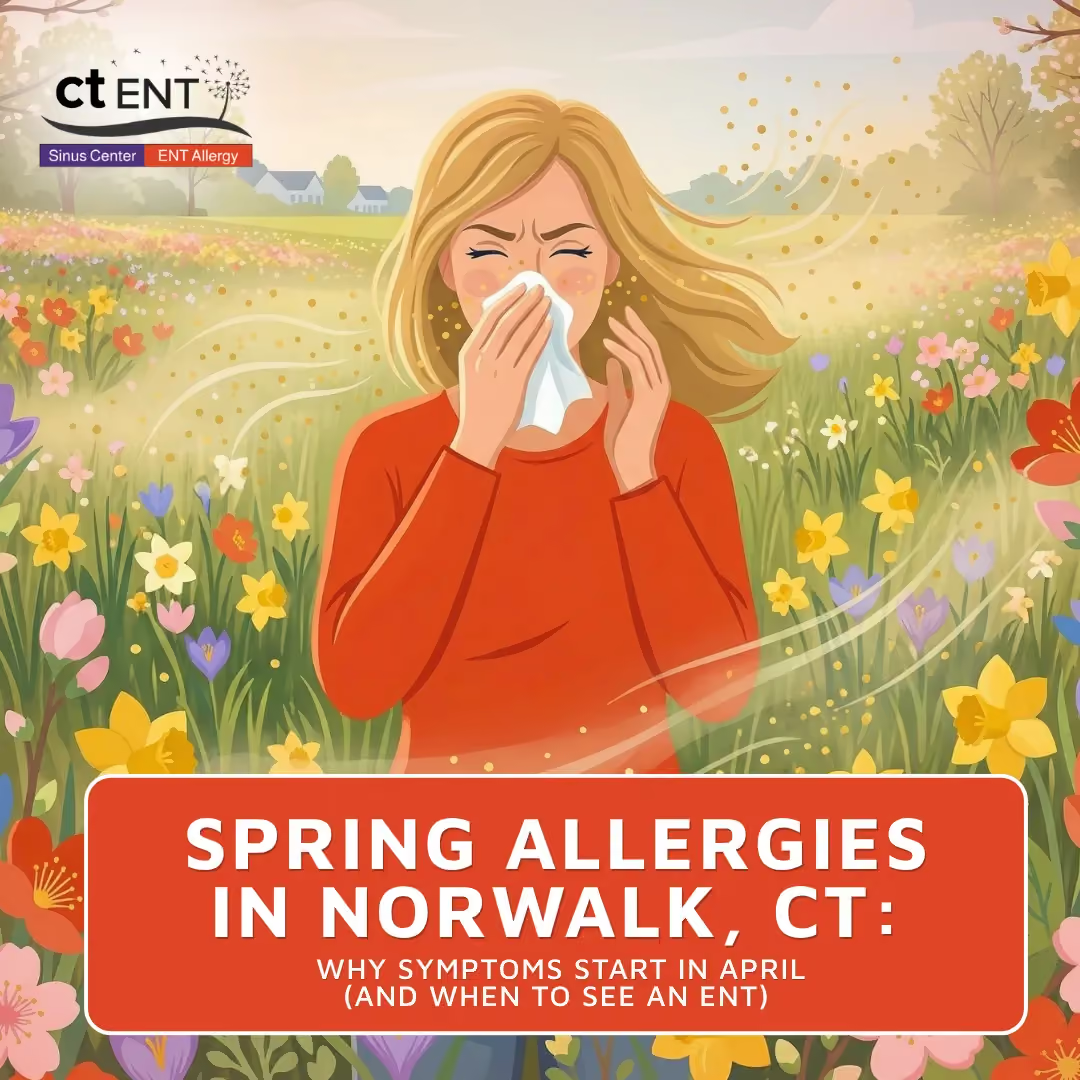
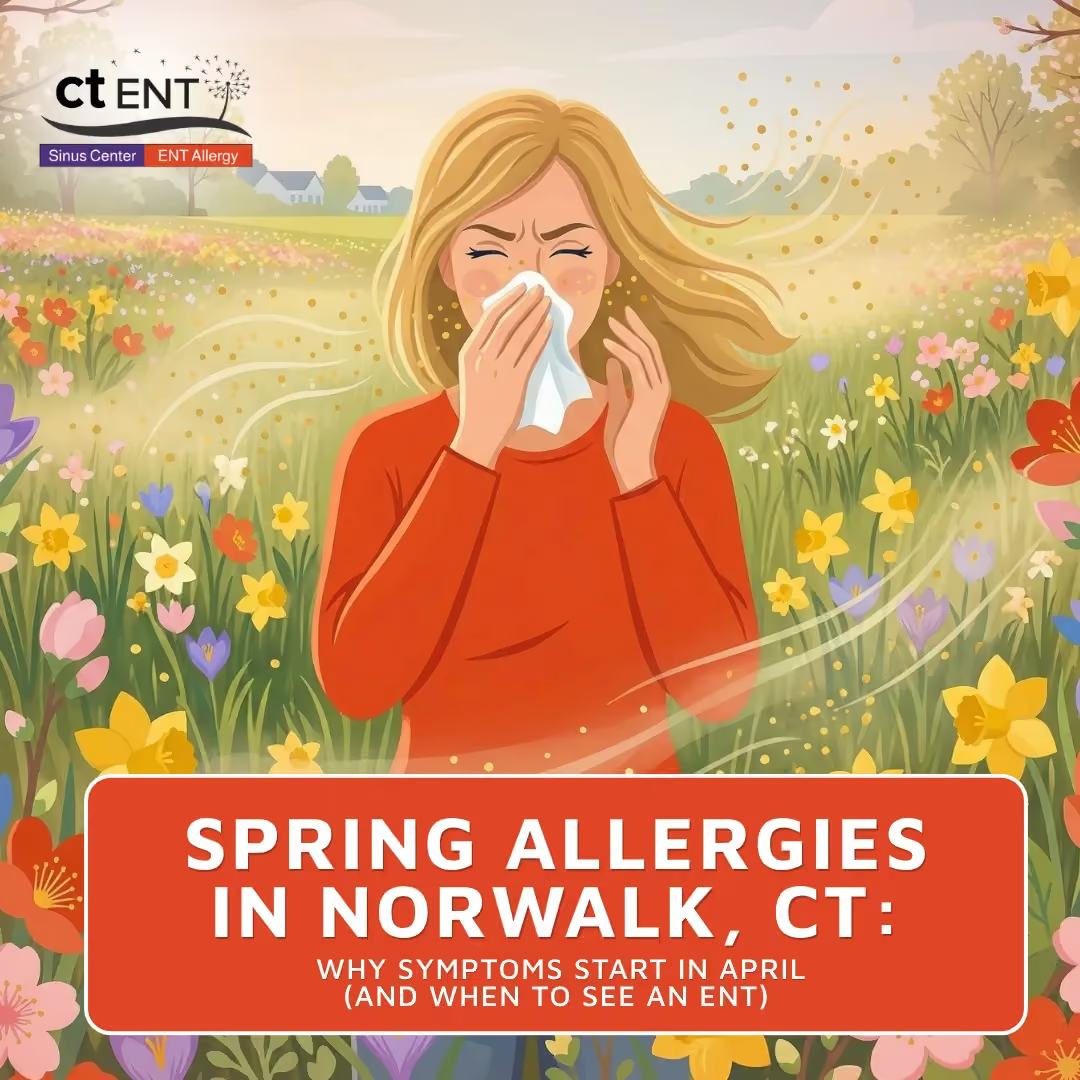
Spring Allergies in Norwalk, CT: Why Symptoms Start in April (and When to See an ENT)
Living in Norwalk, CT, means getting used to the quick and extreme changes in weather. One minute it’s cold, and you’re bundled up in thick layers of clothes, the next, you’re suffering from nasal congestion, a runny nose, uncontrollable sneezing, and itchy eyes. If you are, your allergies might have already started acting up.
Here’s what Connecticut residents should know about seasonal allergies as we transition from the cold winter weather to the spring season.
What Are Allergies?
Allergies are the immune system’s response to foreign substances (known as allergens) that it misidentifies as a threat. As a result, the immune system overreacts, thinking that the substance is harmful.
Anyone can be allergic to almost anything, such as pollen, mold, pet dander, food, and medications.
When you inhale, touch, or eat something you are allergic to, it can lead to minor reactions such as sneezing, itching, or skin rashes. However, in some cases, allergic reactions can lead to life-threatening reactions, such as tightening or swelling of the airways or anaphylaxis (low blood pressure).
What about seasonal allergies in Norwalk, CT?
Seasonal allergies refer to allergies triggered by pollen. They’re called “seasonal” allergies because each type of plant releases pollen during certain times of the year. Individuals can have different triggers to their allergies, thus they experience different symptoms at different times of the year.
Common Symptoms of Seasonal Allergies
Seasonal allergy symptoms in Norwalk residents will vary depending on the severity of your allergies, your allergy triggers, and the time of the year.
Common symptoms of seasonal allergies can include:
- Nasal congestion
- Stuffy nose
- Itchy and watery eyes
- Clear, thin, and watery nasal discharge
- Sneezing
- Coughing
- Postnasal drip (mucus dripping down the back of the throat)
- Headaches
- Fatigue
- Skin rash or hives
Why Do Seasonal Allergy Symptoms in Norwalk, CT, Start in April?
When the spring season comes, the cold goes away, it feels warmer, and trees and flowers bloom. While the sun and warmer weather are more than welcome after the harsh, cold winter season, this could also mean that your allergies are going to start acting up again.
Because plants pause their vegetation, the winter season in Connecticut gave residents a respite from the usual pollen triggers that caused common allergy symptoms.
However, once winter is over and makes way for spring, these triggers return and may cause symptoms in allergy sufferers.
Spring season in Norwalk, CT
Spring season is often a challenging time for allergy sufferers in Norwalk, CT. During this time of the year, a wide variety of trees begin producing pollen into the air, triggering a multitude of symptoms. Common tree allergies in Connecticut during this time include mulberry, willow, maple, cedar, ash, oak, hickory, and elder.
The spring season usually starts in early April and lasts until May. In some places, the season can start as early as late February or March.
When Is It Time to See an ENT for Spring Allergies?
Typically, allergy symptoms can develop gradually over time. If you find yourself always getting sick with nasal congestion, sneezing, cough, or headaches during certain times of the year, it may be time to see an ENT for potential allergies.
You may begin by seeing your primary care provider, who will evaluate your symptoms. Depending on clinical findings and the severity of your symptoms, they may refer you to an ENT specialist (also known as an otolaryngologist) for further testing.
Allergy Testing and Diagnosis in Norwalk, CT
A consultation with an ENT doctor in Norwalk, CT, can help assess your symptoms and determine if you have seasonal allergies. During your consultation, your physician will ask about your symptoms and their severity, how long and how often you experience them, any possible allergens you might be exposed to, as well as your environment and lifestyle.
Also part of the diagnostic process is allergy testing, which may include:
- A skin test (either skin prick test or intradermal skin testing) to identify what allergens trigger allergy symptoms
- A blood test to check for antibodies called immunoglobulin E (IgE) in your blood, which are related to the immune system’s response to certain substances
Which type of test is appropriate for you will depend on a variety of individual health factors, which your ENT doctor can help assess to make a recommendation.
Allergy Treatment in Norwalk, CT
Depending on your clinical findings and your ENT’s recommendations, there are several treatment and management strategies for seasonal allergies in Norwalk, CT, including:
- Over-the-counter and prescription medications, such as antihistamines, decongestants, allergy medications, steroid nasal sprays, saline nasal sprays, eye drops, and pain relievers, may help reduce allergy symptoms in some individuals.
- Immunotherapy may help modify how your immune system reacts to allergens. They are administered in gradually increasing dosages of their allergens and may help reduce sensitivity to their triggers. However, results vary, and outcomes are not guaranteed.
- Lifestyle and environment changes can help limit your exposure to allergens that trigger your allergies.
✅Check daily pollen count.
✅Wear a protective mask outdoors, especially on high pollen-count days.
✅Trim trees, mow the lawn, and pull weeds around your property.
✅Keep windows closed.
✅Install a HEPA filter on your A/C unit.
✅Keep your home clean.
✅Take off outdoor clothes and shower after spending time outside.
✅Refrain from hanging laundry to dry outside.
Conclusion: Spring Allergies in Norwalk, CT, and What You Can Do
CT-ENT is an ENT care provider with locations in Norwalk and Greenwich, CT. Visit and explore our website for more information about our clinic and services.
