
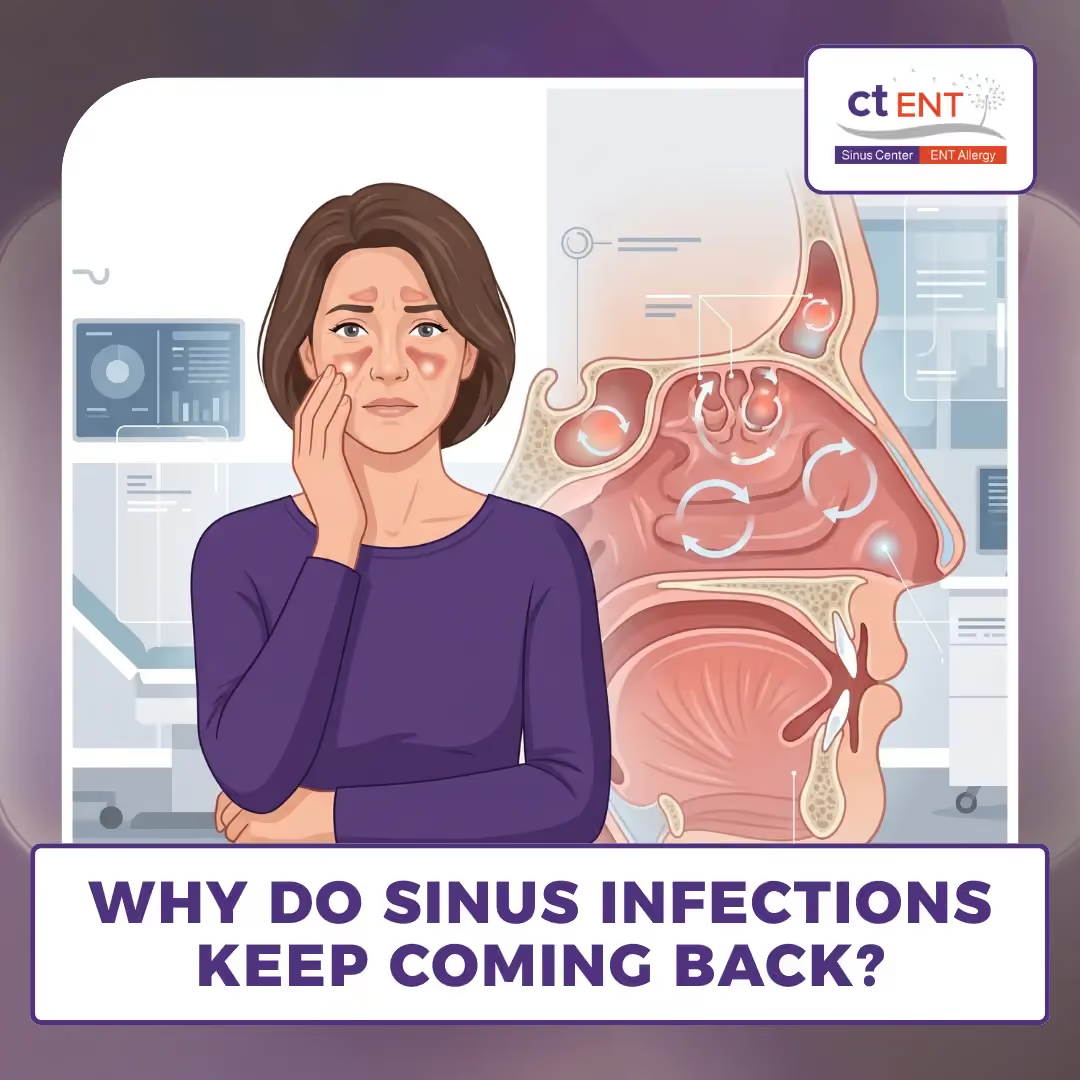
Why Do Sinus Infections Keep Coming Back?
There comes a point when a recurring sinus infection stops feeling like a temporary problem and starts feeling like part of your routine.
You finally get through the congestion, pressure, and headaches. A few weeks later, it all returned. The symptoms may not be identical every time, but they're familiar enough to make you wonder why this keeps happening.
At CT-ENT, many patients arrive with the same frustration: they aren't looking for relief from a single sinus infection. They're trying to understand why they seem to get them over and over again. The answer is often more complicated than simply being exposed to another virus or germ.
The Infection May Not Be the Real Problem
One of the biggest misconceptions about recurring sinus infections is that each episode is a completely separate event. Sometimes that's true. But in many cases, the infection is a symptom of an underlying issue rather than the primary problem itself. Healthy sinuses are designed to drain mucus efficiently. When inflammation, swelling, or blockage interferes with that process, mucus can become trapped inside the sinus cavities. That trapped mucus may interfere with normal sinus drainage and contribute to recurring infections. If the drainage problem remains, the cycle can continue.
Allergies Are a Common Contributor
People often think of allergies as sneezing and itchy eyes. What they don't always realize is that allergies can also affect how well the sinuses function. Ongoing exposure to pollen, mold, dust mites, or pet dander can trigger chronic inflammation inside the nose. Over time, swollen nasal tissues may narrow the pathways that allow the sinuses to drain properly. For some patients, recurring sinus infections are closely tied to untreated allergies. This is one reason allergy testing is often recommended when sinus problems seem to occur repeatedly throughout the year.
Structural Issues Can Make Infections More Likely
Not every recurring sinus infection is caused by allergies. Sometimes the anatomy of the nose plays a role. A deviated septum, nasal polyps, or other structural concerns can reduce airflow and limit drainage within the sinuses. Even when symptoms improve temporarily, the underlying blockage remains. As a result, infections may continue returning because the environment that allowed them to develop never fully changed. Many patients are surprised to learn that an anatomical issue they've had for years may be contributing to recurring sinus symptoms.
Why Symptoms Sometimes Return During Certain Seasons
In Connecticut, changing seasons can create additional challenges for people with sinus conditions. Tree pollen in the spring, grass pollen in the summer, ragweed in the fall, and dry indoor air during the winter can all irritate the nasal passages. These environmental factors may increase inflammation and make existing sinus problems more noticeable. This is why some people feel like they get a "sinus infection" every year at roughly the same time. The season may be acting as a trigger for an issue that is already present.
When Recurring Sinus Problems Affect Daily Life
People often learn to work around recurring symptoms. They schedule activities around congestion. They accept poor sleep as normal. They push through headaches, facial pressure, and fatigue because they assume they'll eventually feel better. The problem is that recurring sinus issues can affect much more than physical comfort. Sleep quality, concentration at work, exercise, travel plans, family activities, and overall energy levels can all be impacted when sinus symptoms become a regular occurrence. That's often when patients begin looking for answers rather than temporary relief.
How Do I Know It's Time to Stop Waiting and Get Checked?
Occasional sinus infections can happen to anyone. However, if these symptoms continue to recur, it may be time to consider an ENT evaluation:
- You experience several sinus infections each year.
- Symptoms repeatedly return after improving.
- Nasal congestion rarely seems to go away completely.
- Facial pressure or headaches interfere with daily activities.
- Sleep is affected by nasal blockage.
- You frequently experience sinus infection symptoms despite previous treatment.
An evaluation can help identify whether allergies, chronic sinusitis, nasal polyps, structural concerns, or another factor may be contributing to the cycle.
Understanding why infections keep returning is often an important step in addressing recurring symptoms.
Understanding Recurring Sinus Symptoms
Recurring sinus infections are often a sign that something else is happening beneath the surface. While the infection itself may come and go, underlying inflammation, allergies, or structural issues can continue creating conditions that make future infections more likely.
At CT-ENT, helping patients understand the reason behind recurring sinus symptoms is an important part of evaluating ongoing concerns. Identifying the source of the problem can provide valuable insight into why symptoms continue returning and what options may be available moving forward.
If recurring sinus infections are becoming a regular part of your life, it’s time to schedule an appointment with CT-ENT to uncover what's causing them and what steps make sense for your situation.
